
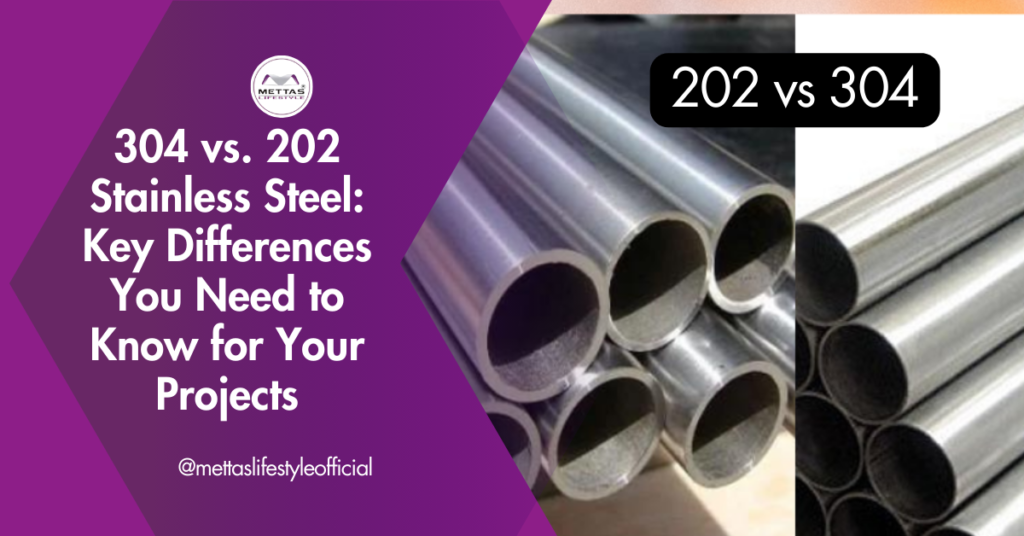
Introduction: 304 vs. 202 Stainless Steel
When it comes to choosing the right stainless steel for your projects, understanding the differences between various grades is crucial. Two popular options are 304 stainless steel and 202 stainless steel. Both have their unique properties, advantages, and applications. In this comprehensive guide, we’ll dive into the key differences between 304 and 202 stainless steel, helping you make an informed decision for your next project.
1. Introduction to Stainless Steel Grades
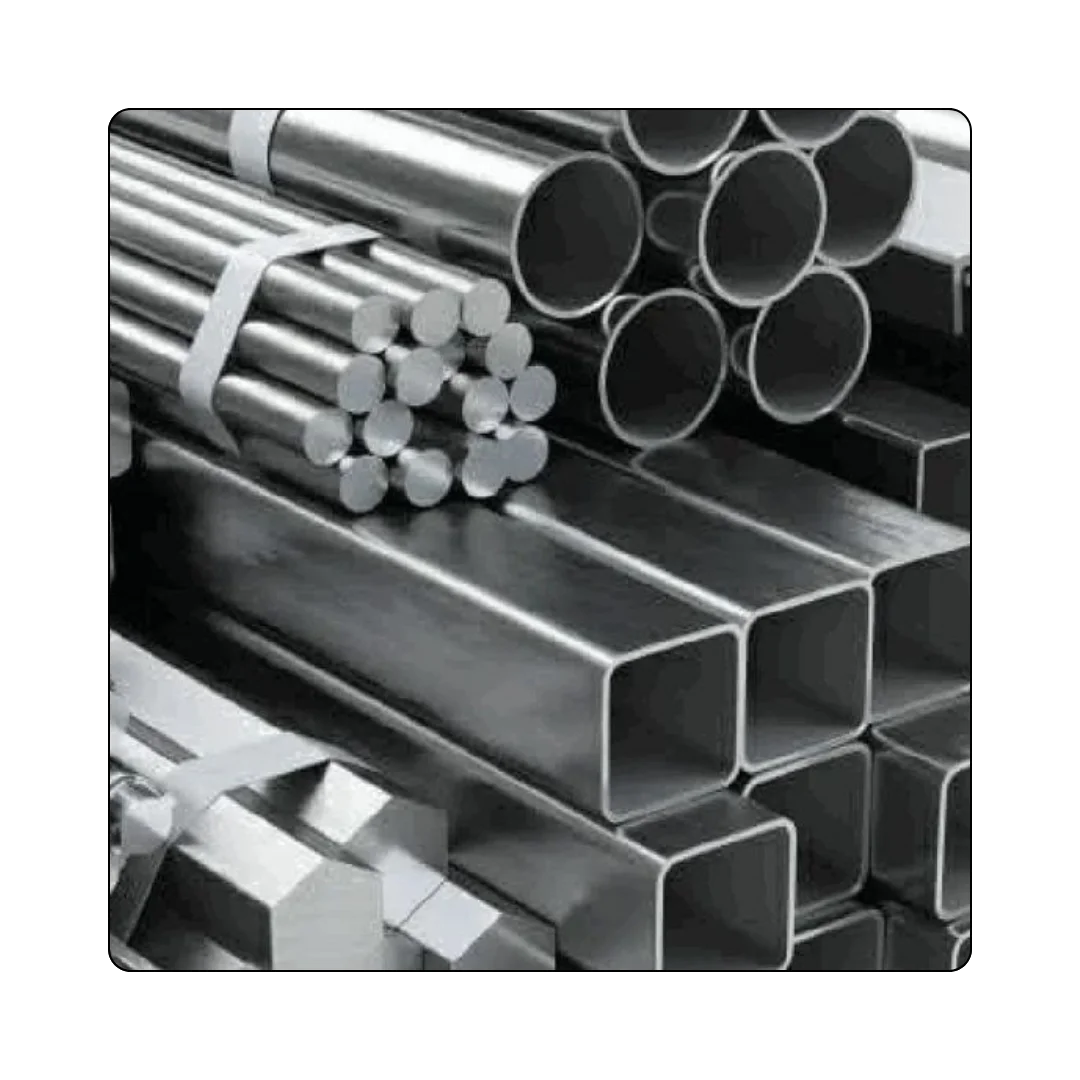
Stainless steel is an alloy primarily composed of iron, chromium, and nickel. The different grades of stainless steel are designed to meet varying performance and durability requirements. 304 and 202 are two of the most commonly used grades, each with distinct characteristics that make them suitable for specific applications.
2. Chemical Composition
304 Stainless Steel
304 stainless steel is a versatile and widely used grade. Its chemical composition typically includes:
- 18% Chromium (Cr): Provides corrosion resistance.
- 8% Nickel (Ni): Enhances formability and resistance to oxidation.
- Manganese (Mn): Typically around 2%, contributes to the steel’s strength.
The presence of chromium and nickel makes 304 stainless steel highly resistant to corrosion and oxidation, making it ideal for a variety of environments.
202 Stainless Steel
202 stainless steel is an alternative to 304 stainless steel with a slightly different composition:
- 17% Chromium (Cr): Slightly less than 304, but still offers good corrosion resistance.
- 4% Nickel (Ni): Reduced nickel content compared to 304.
- Manganese (Mn): Increased to about 7.5%, enhancing strength and hardness.
The lower nickel content in 202 stainless steel makes it more affordable, but it also means it is not as resistant to corrosion as 304.
3. Corrosion Resistance
304 stainless steel is renowned for its excellent corrosion resistance, particularly in environments exposed to moisture and chemicals. This makes it suitable for applications such as kitchen appliances, medical instruments, and outdoor structures.
202 stainless steel, while still resistant to corrosion, does not perform as well as 304 in harsh environments. It’s more suitable for applications where exposure to corrosive elements is minimal.
4. Strength and Durability
Both grades offer good strength, but there are some differences:
304 Stainless Steel: Known for its high tensile strength and durability. It can withstand significant stress without deforming, making it ideal for structural applications.
202 Stainless Steel: Slightly less strong than 304, but still durable. The increased manganese content contributes to its strength, though it may not be as robust as 304 in high-stress situations.
5. Formability and Fabrication
304 Stainless Steel
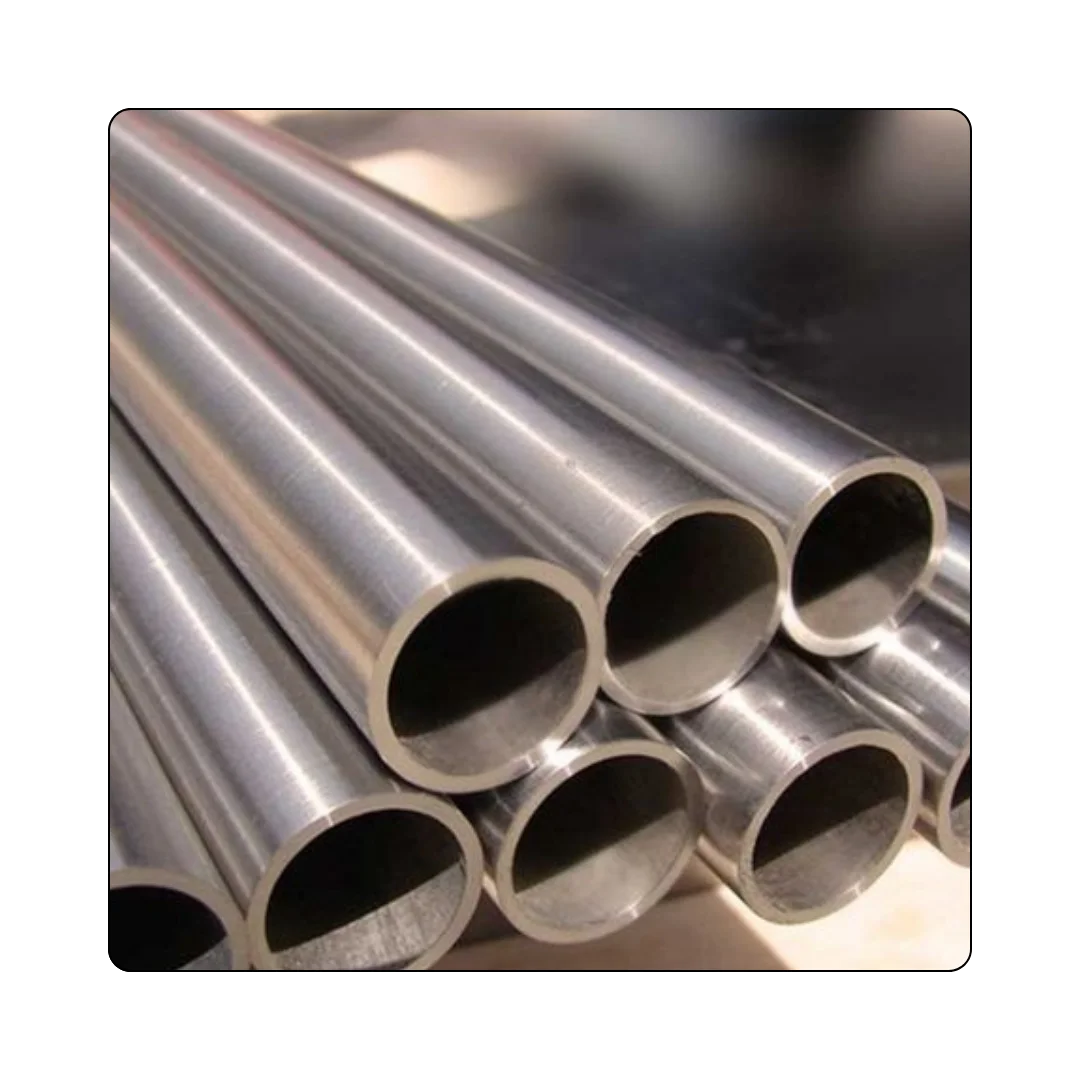
304 stainless steel is highly formable and easy to weld. Its excellent ductility makes it a preferred choice for applications that require complex shapes and intricate designs. It’s often used in the manufacturing of pipes, tanks, and other components where precise fabrication is needed.
202 Stainless Steel
202 stainless steel is also formable and can be welded, but it is not as easy to work with as 304. The higher manganese content can make it more challenging to achieve the same level of precision in fabrication.
6. Cost Considerations
304 stainless steel is generally more expensive due to its higher nickel content and superior corrosion resistance. However, the longevity and performance of 304 can justify the higher cost in many applications.
202 stainless steel offers a more budget-friendly option with its reduced nickel content. It’s a cost-effective choice for applications where extreme corrosion resistance is not a primary concern.
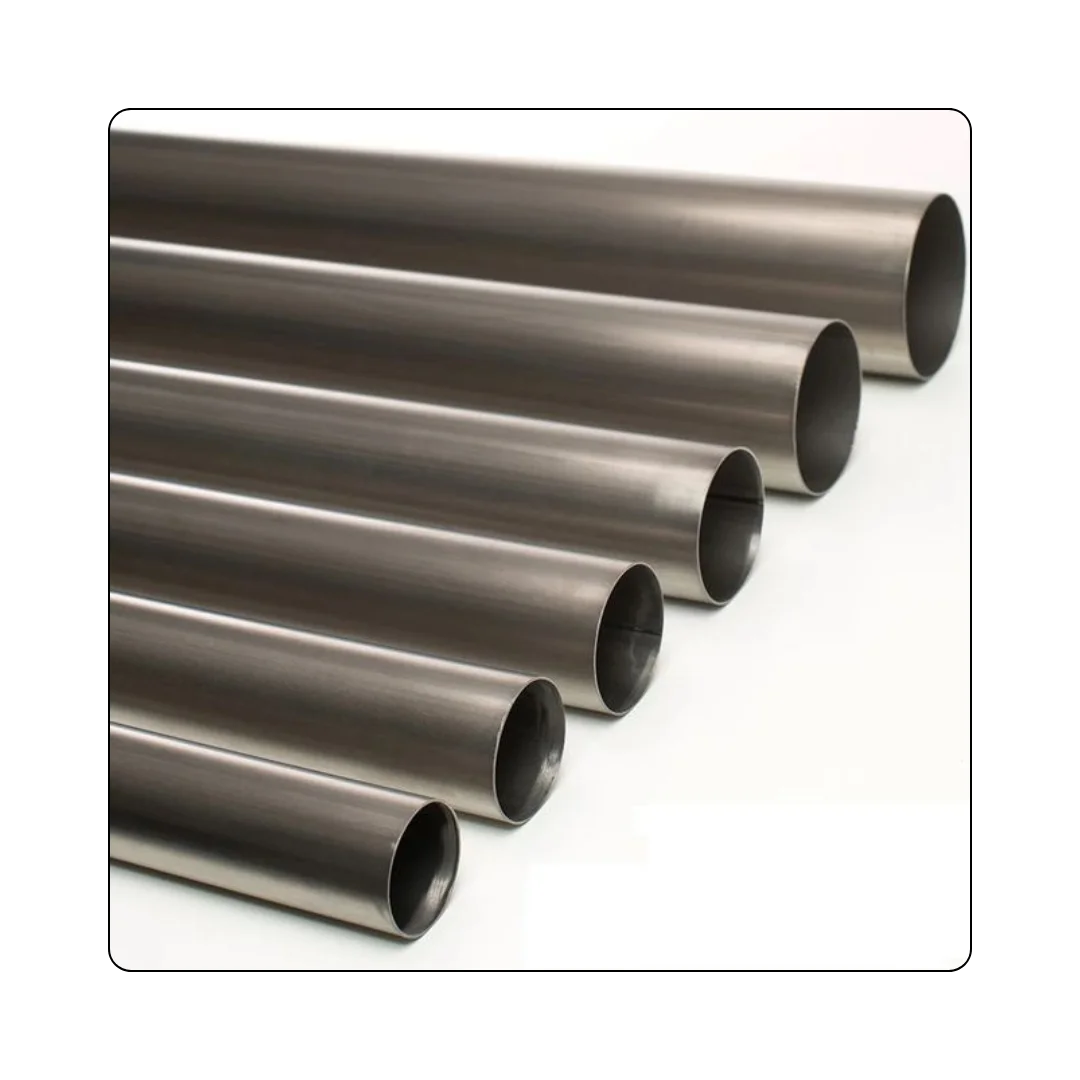
7. Applications
304 Stainless Steel
- Kitchen Equipment: Sinks, countertops, and appliances.
- Medical Devices: Surgical instruments and equipment.
- Architectural Components: Handrails, facade panels, and cladding.
- Food Processing: Equipment used in the production and handling of food.
202 Stainless Steel
- Kitchen Utensils: Cutlery and cookware.
- Home Appliances: Refrigerators, dishwashers, and other household items.
- Furniture: Indoor furniture and fixtures.
- Automotive Parts: Trim and decorative elements.
8. Aesthetic Considerations
Both 304 and 202 stainless steel have a similar appearance, but 304 often has a brighter, more polished finish. This makes it a popular choice for visible applications where aesthetics are important.
202 stainless steel can also be polished, but it may not achieve the same level of shine as 304. Its appearance is more utilitarian, making it suitable for less conspicuous uses.
9. Environmental Impact
When considering environmental impact, both grades of stainless steel have their profiles:
304 Stainless Steel: Due to its high nickel content, it has a slightly higher environmental footprint in terms of resource extraction and processing.
202 Stainless Steel: With its lower nickel content and higher manganese, it is generally considered to have a lower environmental impact. However, the trade-off is reduced performance in certain conditions.
Conclusion
Choosing between 304 and 202 stainless steel depends largely on the specific needs of your project. 304 stainless steel is a superior choice for applications requiring high corrosion resistance, strength, and formability, despite its higher cost. 202 stainless steel, on the other hand, provides a cost-effective alternative with good strength and moderate corrosion resistance, making it suitable for less demanding applications.
By understanding the key differences between these two grades, you can make a more informed decision that balances performance, cost, and durability for your project.
Have questions about your next renovation project? We’ve got answers. Let’s do this together.
Follow House Beautiful on Instagram.