Introduction: Granite and Stone Countertops
When it comes to choosing the perfect graite and stone countertop for your kitchen or bathroom, you’re confronted with a myriad of options. Two of the most popular choices are granite and stone countertops. These materials not only add elegance to your space but also provide durability and functionality. In this comprehensive guide, we’ll explore the key differences between granite and stone countertops, helping you make an informed decision for your next home improvement project with Mettas Lifestyle.
Understanding Granite Countertops
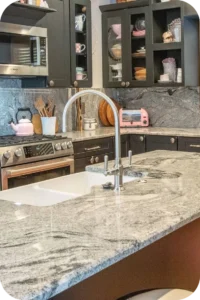
Granite countertops are the go-to choice for homeowners who seek a natural and luxurious appearance. This igneous rock formed deep within the Earth’s crust, is known for its unique patterns and durability. Let’s dive into the characteristics and advantages of granite countertops:
1. Natural Beauty
Granite countertops are prized for their natural beauty. Each slab is a work of art, with its own distinct veining, speckles, and color variations. This natural diversity ensures that your granite countertop is one-of-a-kind and adds a touch of elegance to your space.
2. Durability
Granite is an incredibly durable material. It’s heat-resistant, making it ideal for placing hot pots and pans directly on the surface. It’s also resistant to scratches and chips, ensuring that your countertop remains in excellent condition for years.
3. Variety of Colors
Granite comes in a wide array of colors, allowing you to choose a shade that complements your kitchen or bathroom design. From classic whites and blacks to exotic blues and reds, there’s a granite color for every aesthetic.
4. Low Maintenance
Maintaining a granite countertop is relatively easy. Regular sealing, which is recommended every 1-2 years, helps prevent staining and ensures the surface remains hygienic. Day-to-day cleaning requires just mild soap and water.
5. Longevity
Granite countertops are an investment that can last a lifetime. When properly cared for, they maintain their appearance and functionality for decades.
6. Resale Value
The beauty and durability of granite countertops can significantly enhance the resale value of your home. Potential buyers often view granite as a premium feature, making your property more appealing.
Exploring Stone Countertops
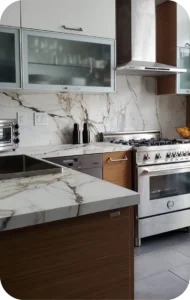
Stone countertops, as a category, encompass a wide range of natural stone materials. These include marble, quartz, soapstone, and more. Each stone type has its own unique characteristics, and it’s essential to explore the broader category to make an informed choice.
1. Marble Countertops
Marble countertops exude timeless beauty. They are favored for their classic, luxurious appearance. Here are the key features of marble countertops:
- Elegance: Marble is renowned for its elegance and sophistication. It’s a popular choice for high-end kitchens and bathrooms.
- Cool Temperature: Marble remains naturally cool, making it an excellent choice for baking and pastry preparation.
- Softer Stone: While marble is stunning, it’s a softer stone compared to granite. This means it is more susceptible to scratches and stains and requires regular maintenance and sealing.
2. Quartz Countertops
Quartz countertops, also known as engineered stone, are composed of 90–95% crushed natural quartz mixed with resins and pigments. Here’s what you need to know about quartz countertops:
- Consistent Appearance: Unlike natural stones that have variations, quartz offers a consistent and uniform appearance.
- Non-Porous: Quartz is non-porous, which means it’s highly resistant to staining and doesn’t require sealing.
- Durability: It’s highly durable and less likely to chip or crack compared to natural stones.
3. Soapstone Countertops
Soapstone is a metamorphic rock that is popular for its unique, rustic appearance and soft, smooth texture. Let’s explore the qualities of soapstone countertops:
- Vintage Charm: Soapstone countertops have a vintage, timeless charm that adds character to your kitchen or bathroom.
- Heat-Resistant: Soapstone is heat-resistant and can handle hot cookware without damage.
- Regular Oil Treatment: To maintain its color and appearance, soapstone requires periodic oiling. This also helps hide scratches and marks.
Key Differences Between Granite and Stone Countertops
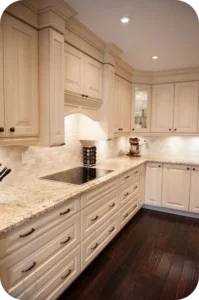
Now that we’ve explored the various stone countertop options, let’s delve into the key differences between granite and stone countertops:
1. Material Composition
Granite is a specific type of igneous rock, while “stone countertops” encompass various natural stone materials, including marble, quartz, and soapstone.
2. Appearance
Granite is known for its unique and diverse appearance, while the appearance of stone countertops can vary depending on the specific stone used.
3. Durability
Granite is exceptionally durable and heat-resistant. Some stone countertops, like quartz, are also durable, while others, like marble, are softer and more susceptible to damage.
4. Maintenance
Granite requires regular sealing to prevent staining. Other stone countertops may require less maintenance, depending on their porosity and hardness.
5. Cost
The cost of granite and stone countertops can vary widely based on the specific stone, its rarity, and the installation process.
6. Resale Value
Both granite and high-end stone countertops can enhance the resale value of your home, making them attractive options for property improvements.
Choosing the Right Countertop for You
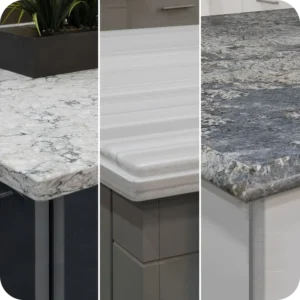
The choice between granite and stone countertops ultimately depends on your personal preferences, budget, and the specific needs of your kitchen or bathroom. Granite offers a stunning, one-of-a-kind appearance and exceptional durability. On the other hand, various stone countertops like marble, quartz, and soapstone cater to different aesthetics and maintenance requirements.
When making your decision, consider factors such as appearance, durability, maintenance, and budget. Ultimately, both granite and stone countertops can be the centerpiece of your space, providing functionality and timeless beauty for years to come.
The Decision-Making Process
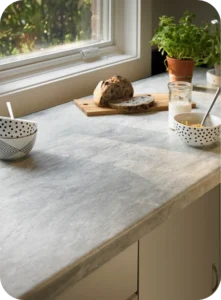
Choosing the ideal countertop for your home involves a systematic decision-making process. Here’s a step-by-step guide to help you make the right choice:
1. Assess Your Needs
Start by assessing your specific needs and preferences. Consider the following factors:
- Aesthetic Preferences: Think about the overall style and color scheme of your space. Do you prefer a natural, unique appearance or a consistent and uniform look?
- Durability Requirements: Evaluate how you plan to use the countertop. Will it primarily serve as a decorative element, or do you need a workhorse that can withstand heavy use?
- Maintenance Comfort Level: Think about how much time you’re willing to invest in maintenance. Are you looking for a low-maintenance option, or are you willing to put in the effort to keep your countertop in pristine condition?
- Budget Constraints: Determine your budget and explore the options within your price range. Keep in mind that the cost includes not only the material itself but also the installation.
2. Compare Material Options
Once you’ve identified your needs, delve into the specific material options. For granite, this means examining the various colors and patterns available. For stone countertops, consider the type of stone that best aligns with your preferences:
- Granite: Explore different granite slabs, considering their colors and patterns. Look for the one that complements your space.
- Marble: If you opt for marble, choose a slab that matches your desired aesthetic, knowing that it may require more maintenance.
- Quartz: When considering quartz, appreciate its consistent appearance and select a color that harmonizes with your design.
- Soapstone: If you lean towards soapstone, explore its charming variations and choose the one that captures your desired rustic look.
3. Seek Professional Advice
It’s highly advisable to seek professional guidance when choosing between granite and stone countertops. Professional countertop specialists can provide insights and recommendations based on your specific needs. They can also offer samples and address any questions you may have.
4. Budget Wisely
Once you’ve identified the material that best suits your needs, establish a budget that includes the cost of both the material and installation. Granite and certain stone countertops may come with different price tags, so be sure to consider the total expense.
5. Visualize the End Result
Before making a final decision, try to visualize how the countertop will fit into your space. You can use design software or consult with an interior designer to create a visual representation of your kitchen or bathroom with the chosen countertop. This visualization will help you confirm that your selection aligns with your overall design.
6. Consider Future Maintenance
If you’re leaning toward a stone countertop like marble or soapstone, think about the long-term maintenance. Be prepared to commit to sealing, cleaning, and occasional maintenance to keep your countertop looking its best.
7. Get Quotes and Estimates
To ensure that your choice remains within budget, it’s essential to obtain quotes and estimates for both the material and the installation process. This step allows you to make an informed and financially sound decision.
8. Make Your Decision
Finally, after careful consideration of your needs, material options, budget, and future maintenance commitments, you can confidently make your decision. Whether it’s the elegance of marble, the durability of granite, or the consistency of quartz, your choice will be the perfect fit for your space.
Conclusion
In the end, the choice between granite and stone countertops is a highly personal one, driven by your preferences, lifestyle, and design vision. Each material has its unique appeal, and both can add value, functionality, and beauty to your home.
Granite boasts its natural diversity, exceptional durability, and one-of-a-kind appearance, while stone countertops, including marble, quartz, and soapstone, offer a range of aesthetics and maintenance requirements. With the right information and a thorough decision-making process, you can confidently select the countertop that enhances your living space and fulfills your culinary and design aspirations.
No matter which option you choose, your new countertop will undoubtedly become the centerpiece of your kitchen or bathroom, offering both functionality and timeless beauty. It’s your home, and your choice reflects your style and needs.
Related topics you must read: Best Budget-Friendly Kitchen Countertops