Introduction: Different types of Material are The Best for Wooden Cabinets
When it comes to choosing the best material for wooden cabinets, the options can be overwhelming. Whether you’re renovating your kitchen, bathroom, or any other space, selecting the right material is crucial for durability, aesthetics, and functionality. In this comprehensive guide, we’ll explore various materials used for wooden cabinets, their properties, benefits, and ideal applications to help you make an informed decision.
1. Solid Wood

The Classic Choice
Solid wood is often considered the gold standard for wooden cabinets. Known for its strength, durability, and timeless appeal, solid wood cabinets can elevate the look of any room. Common types of solid wood used for cabinets include oak, maple, cherry, and birch.
Advantages of Solid Wood
- Durability: Solid wood is exceptionally durable and can withstand heavy use.
- Aesthetic Appeal: Offers a natural, warm appearance that can be stained or painted.
- Versatility: This can be customized in various styles and finishes.
- Resale Value: Adds significant value to your home.
Disadvantages of Solid Wood
- Cost: Generally more expensive than other materials.
- Maintenance: Requires regular maintenance to prevent damage from moisture and pests.
- Susceptibility to Warping: Can warp or crack under extreme conditions.
2. Plywood

The Reliable Alternative
Plywood is a popular alternative to solid wood, known for its stability and resistance to warping. It is made by layering thin sheets of wood veneer, glued together with the grain at right angles to each other.
Advantages of Plywood
- Stability: Less prone to warping and shrinking compared to solid wood.
- Strength: High strength-to-weight ratio.
- Cost-Effective: Generally less expensive than solid wood.
- Versatility: Available in various grades and finishes.
Disadvantages of Plywood
- Edges Need Covering: The edges need to be covered with veneer or edge banding for a finished look.
- Quality Variations: Quality can vary significantly depending on the grade.
3. Medium Density Fiberboard (MDF)
The Smooth Operator
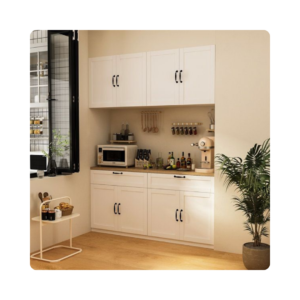
Medium Density Fiberboard (MDF) is an engineered wood product made from wood fibers combined with resin and wax. MDF is known for its smooth surface and uniform consistency.
Advantages of MDF
- Smooth Surface: Ideal for painting and laminating.
- Cost-Effective: Generally cheaper than solid wood and plywood.
- Stability: Resistant to warping and cracking.
- Workability: Easy to cut and shape.
Disadvantages of MDF
- Weight: Heavier than plywood and particleboard.
- Moisture Sensitivity: Can swell and deteriorate if exposed to moisture.
- Strength: Not as strong as solid wood or plywood, can be prone to damage under heavy loads.
4. Particleboard

The Budget-Friendly Option
Particleboard is made from wood chips, sawdust, and resin. It is the most budget-friendly option among cabinet materials but has certain trade-offs.
Advantages of Particleboard
- Cost: The most affordable option for cabinets.
- Smooth Surface: Can be laminated or veneered for a finished look.
- Lightweight: Easier to handle and install.
Disadvantages of Particleboard
- Durability: Less durable and more prone to damage compared to other materials.
- Moisture Sensitivity: Highly susceptible to swelling and disintegration when exposed to moisture.
- Weight Capacity: Limited weight-bearing capacity.
5. Hardwood Veneer
The Best of Both Worlds
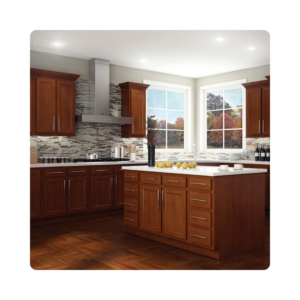
Hardwood veneer combines solid wood’s beauty with engineered wood’s cost-effectiveness. It involves applying a thin layer of real hardwood to a plywood or MDF core.
Advantages of Hardwood Veneer
- Aesthetic Appeal: Offers the look of solid wood at a lower cost.
- Stability: More stable than solid wood due to the engineered core.
- Versatility: Available in various wood species and finishes.
Disadvantages of Hardwood Veneer
- Durability: The veneer layer can chip or peel over time.
- Repair: Difficult to repair if damaged.
6. Bamboo

The Eco-Friendly Choice
Bamboo is gaining popularity as an eco-friendly alternative to wooden cabinets. It is technically grass but is harder and more durable than many types of wood.
Advantages of Bamboo
- Sustainability: A highly renewable resource.
- Durability: Hard and durable, resistant to scratches and dents.
- Aesthetic Appeal: Offers a unique, modern look.
Disadvantages of Bamboo
- Cost: It can be more expensive than some traditional wood options.
- Limited Styles: Fewer style options compared to traditional wood.
7. Thermofoil

The Easy-Care Option
Thermofoil is a vinyl laminate applied to an MDF or particleboard core. It is known for its easy maintenance and affordability.
Advantages of Thermofoil
- Maintenance: Easy to clean and maintain.
- Cost-Effective: Generally more affordable than solid wood and hardwood veneer.
- Variety: Available in various colors and styles.
Disadvantages of Thermofoil
- Durability: Can peel or chip over time.
- Heat Sensitivity: Prone to damage from high heat.
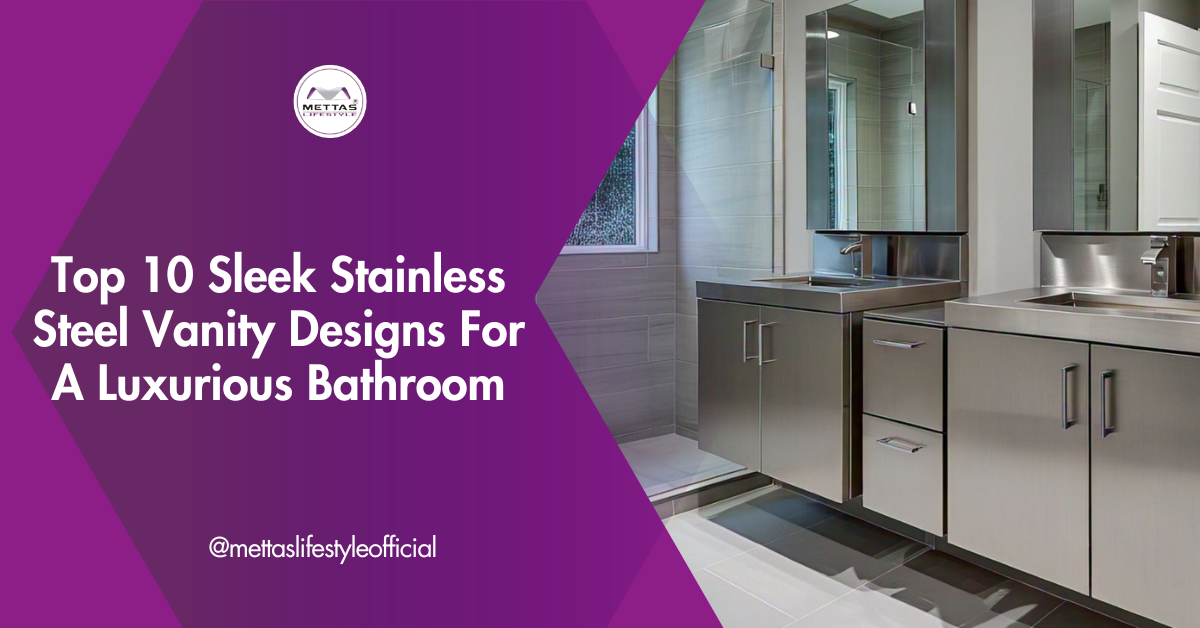
8. Stainless Steel
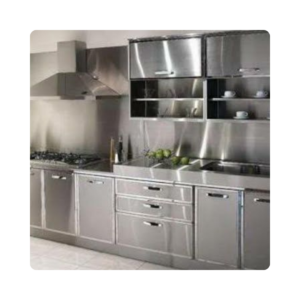
The Modern Marvel
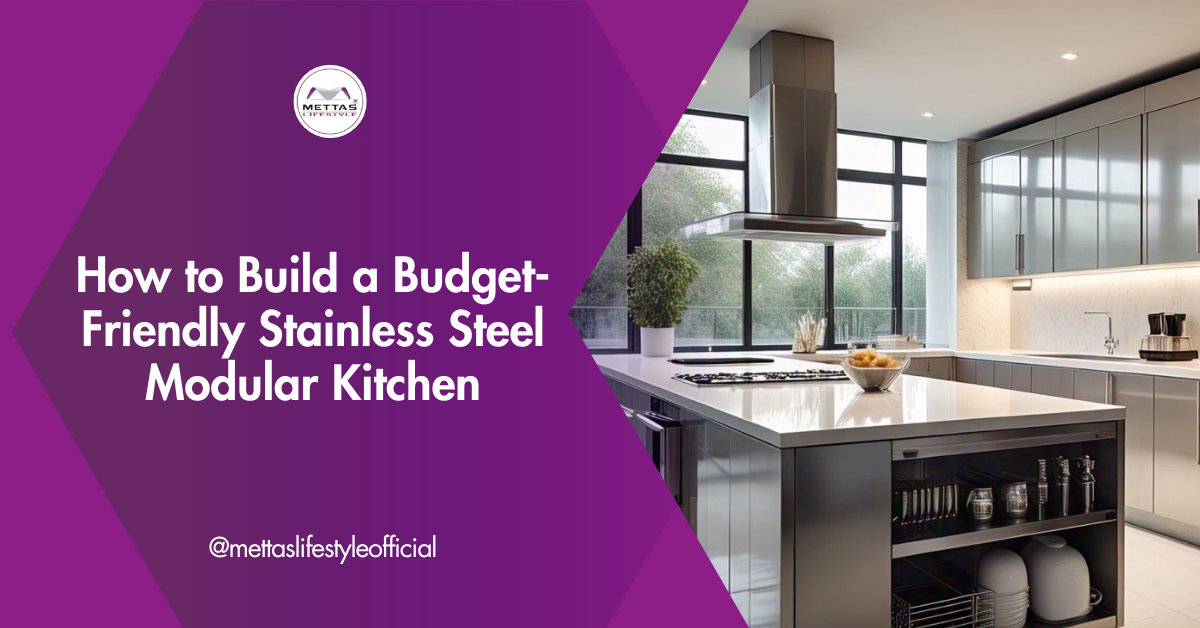
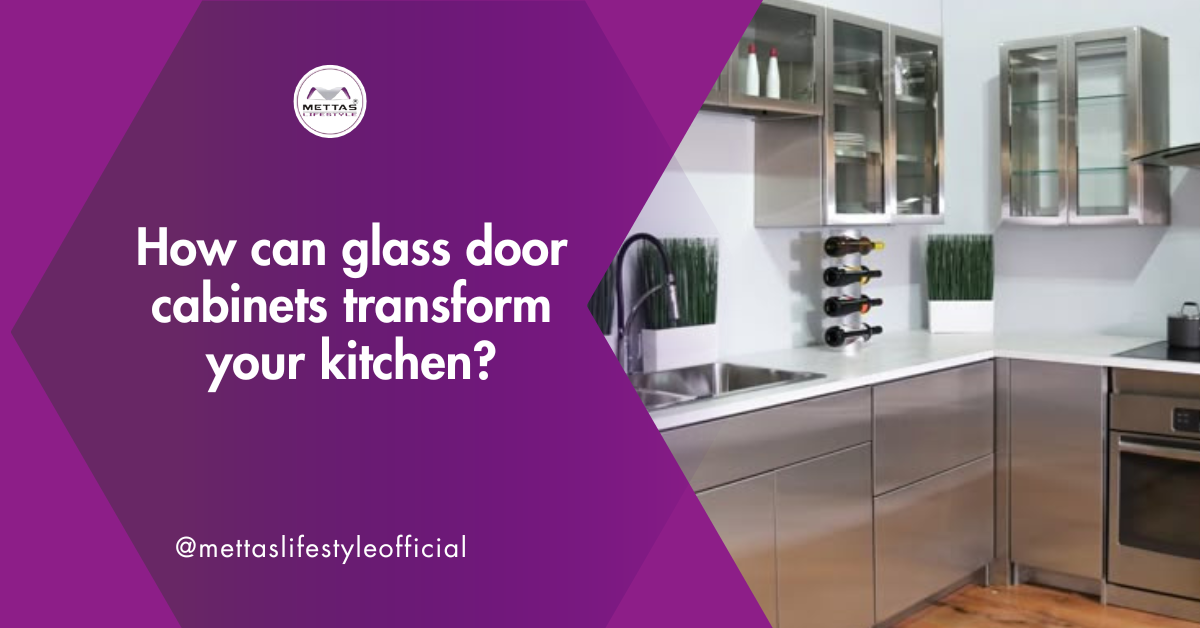
While not a wood product, stainless steel is worth mentioning for its modern aesthetic and unmatched durability. Stainless steel cabinets are common in professional kitchens and are increasingly popular in contemporary home designs.
Advantages of Stainless Steel
- Durability: Highly resistant to damage, rust, and stains.
- Hygienic: Easy to clean and maintain.
- Modern Look: Sleek, contemporary appearance.
Disadvantages of Stainless Steel
- Cost: Generally more expensive than wood options.
- Aesthetic Fit: This may not suit all home styles.
9. Reclaimed Wood

The Rustic Choice
Reclaimed wood offers a sustainable and unique option for cabinets. It involves repurposing wood from old structures, giving it new life in your home.
Advantages of Reclaimed Wood
- Sustainability: Eco-friendly and reduces waste.
- Unique Character: Each piece has a distinct history and appearance.
- Durability: Often more stable than new wood due to its age and seasoning.
Disadvantages of Reclaimed Wood
- Cost: This can be expensive due to the labor involved in processing.
- Availability: Limited supply and selection.
10. Laminate
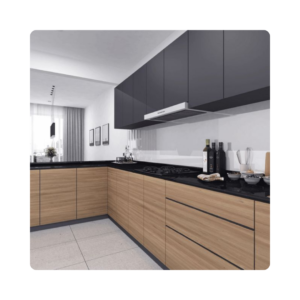
The Versatile Choice
Laminate is a synthetic material made by pressing thin layers of plastic resin and paper over a core of particleboard or MDF. It offers versatility in design and cost.
Advantages of Laminate
- Cost-Effective: More affordable than solid wood and veneer.
- Variety: Available in countless colors and patterns.
- Maintenance: Easy to clean and resistant to stains.
Disadvantages of Laminate
- Durability: Can chip or peel over time.
- Repair: Difficult to repair if damaged.
Conclusion
Choosing the best material for wooden cabinets depends on your specific needs, budget, and aesthetic preferences. Solid wood offers timeless beauty and durability but comes at a higher cost and maintenance. Plywood provides a reliable and cost-effective alternative with good stability. MDF and particleboard offer smooth surfaces and affordability, with some trade-offs in durability and moisture resistance. Hardwood veneer combines the look of solid wood with engineered wood’s stability, while bamboo and reclaimed wood offer sustainable options. Thermofoil and laminate provide easy maintenance and variety, and stainless steel adds a modern touch.
By understanding the properties and benefits of each material, you can make an informed decision that ensures your cabinets not only look great but also stand the test of time.
Have questions about your next renovation project? We’ve got answers. Let’s do this together.
Follow House Beautiful on Instagram.