Introduction bathroom vanity construction
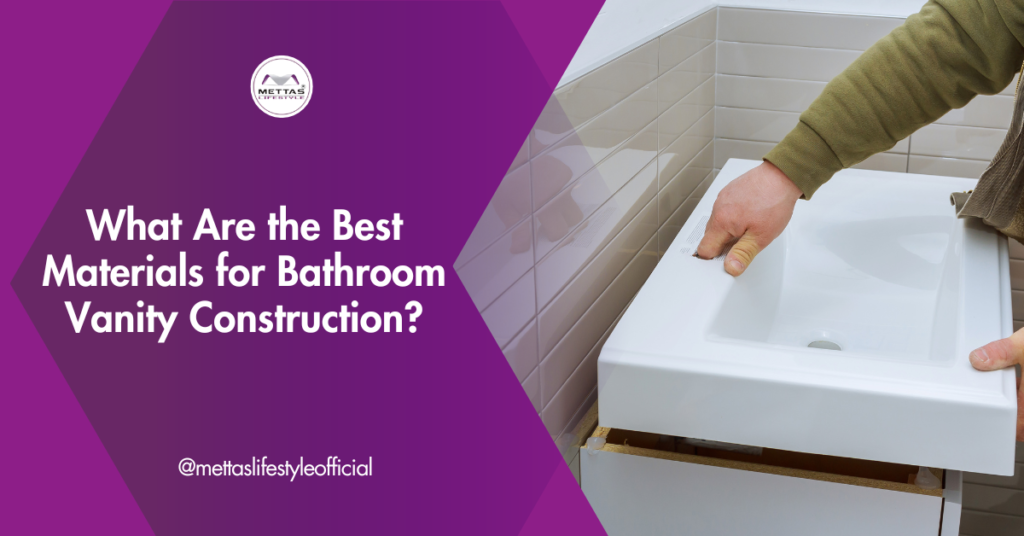
When it comes to designing a durable and stylish bathroom vanity, selecting the right material for bathroom vanity construction is crucial. The material affects the vanity’s durability, functionality, and appearance, making it an essential choice in bathroom remodeling. This blog explores the top materials for bathroom vanity construction and their benefits to help you make an informed decision.
1. Solid Wood: A Timeless Choice for Durability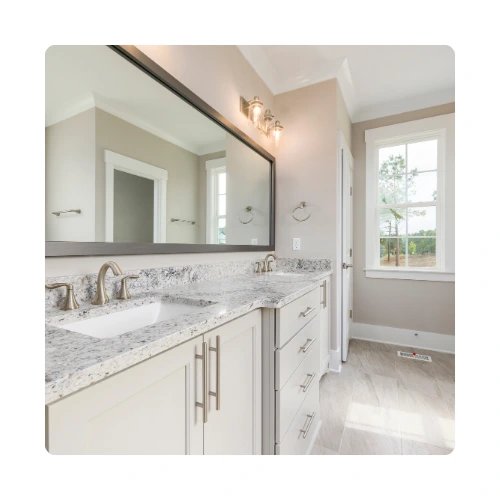
Solid wood is a classic material for bathroom vanity construction, offering unmatched durability and a timeless aesthetic. It blends well with various styles, from rustic to modern.
- Strength: Solid wood provides excellent structural integrity.
- Customizable: Easily refinished or stained to match décor.
- Eco-Friendly: Sustainable when sourced responsibly.
- Water Resistance: Requires proper sealing to prevent damage.
- Versatile: Suitable for traditional and modern designs.
2. Plywood: A Practical Alternative to Solid Wood
Plywood is a cost-effective yet durable choice for vanities. It’s constructed by layering thin sheets of wood veneer, making it resistant to warping.
- Budget-Friendly: Less expensive than solid wood.
- Durability: Resists moisture better than MDF or particleboard.
- Lightweight: Easy to handle and install.
- Versatile: Compatible with many finishes.
- Long-Lasting: Retains shape under regular use.
3. MDF (Medium-Density Fiberboard): Smooth and Budget-Friendly
MDF is an engineered wood product that offers a smooth finish for modern bathroom vanity construction. It is a popular choice for budget-conscious homeowners.
- Affordable: More cost-effective than solid wood or plywood.
- Customizable: Easily painted or veneered.
- Uniform Finish: Smooth surface for seamless designs.
- Moisture Resistance: Requires proper sealing.
- Durability: Best for low-moisture environments.
4. Particleboard: Economical Yet Functional
Particleboard is another budget-friendly material made by compressing wood particles. It is ideal for vanities in low-traffic or temporary bathrooms.
- Low Cost: One of the cheapest materials available.
- Lightweight: Easy to install and manage.
- Laminate-Friendly: Often covered with water-resistant laminates.
- Short Lifespan: Less durable compared to other materials.
- Best Use: Suitable for guest or rental bathrooms.
5. Laminate: Stylish and Water-Resistant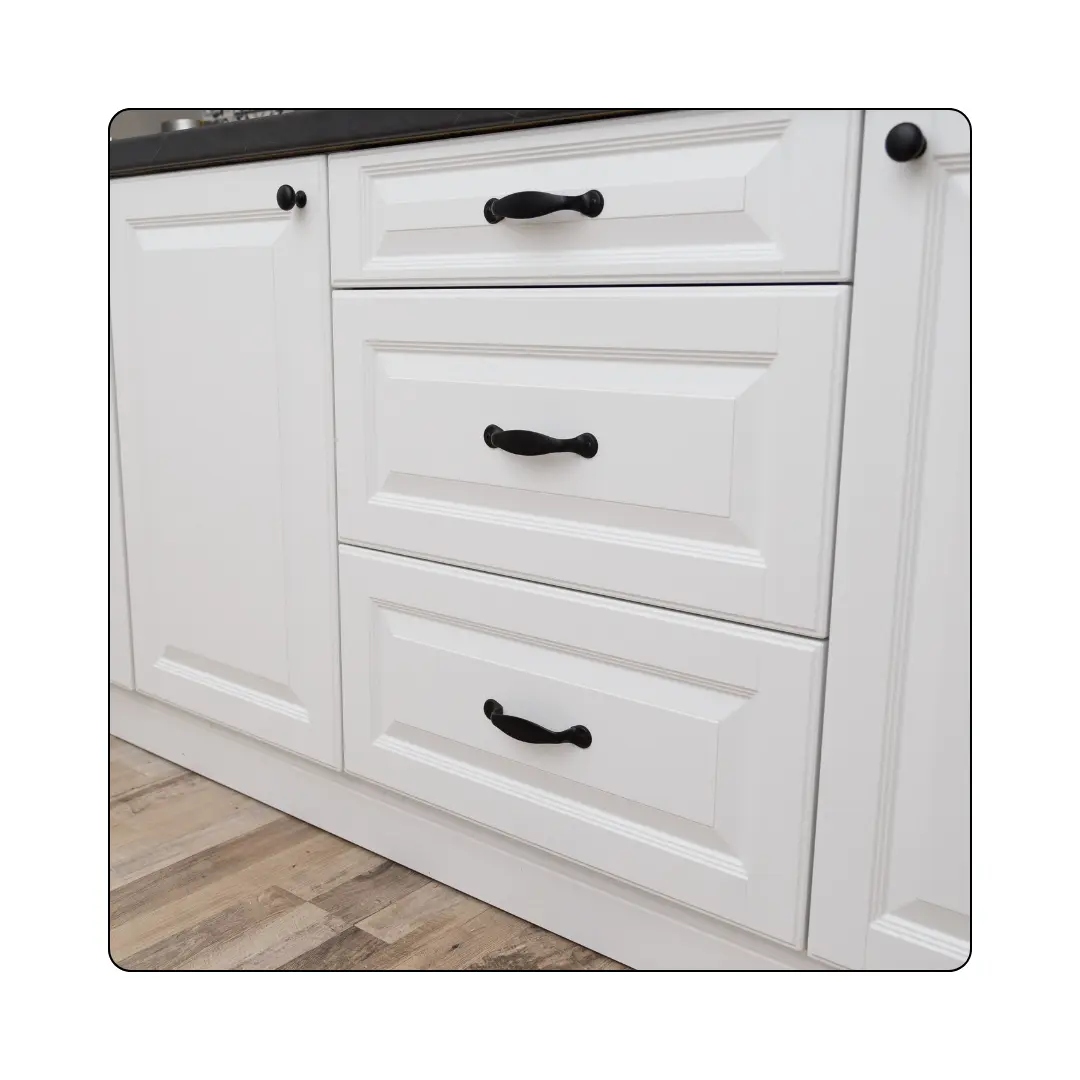
Laminate vanities are a popular option for modern homes, offering a wide variety of styles and colors. It is a practical choice for bathrooms prone to high moisture.
- Water Resistance: Resists stains and scratches.
- Variety: Available in numerous patterns and finishes.
- Easy Maintenance: Simple to clean and maintain.
- Affordable: Cost-effective alternative to wood or stone.
- Durable Coating: Protects underlying material from wear.
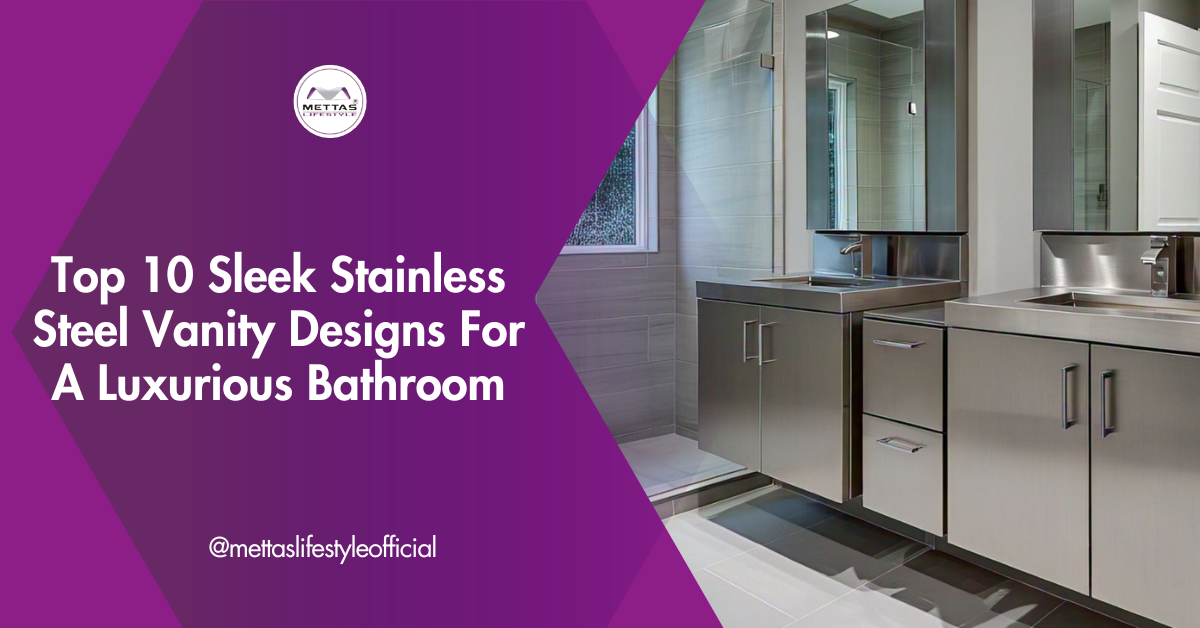
6. Stainless Steel: Modern and Resilient
Stainless steel is ideal for contemporary bathrooms, offering durability and a sleek, industrial appearance.
- Corrosion-Resistant: Withstands moisture without rusting.
- Easy Cleaning: Hygienic and simple to maintain.
- Modern Aesthetic: Complements minimalist designs.
- Long Lifespan: Extremely durable under regular use.
- Drawback: May show smudges and fingerprints.
7. Natural Stone: Luxurious and Long-Lasting
Natural stone materials, such as marble, granite, and quartzite, bring luxury and elegance to bathroom vanities.
- Premium Look: Unique patterns and colors.
- Durability: Resistant to scratches and stains.
- Water Resistance: Requires proper sealing for longevity.
- Heavy: May need reinforced cabinets.
- Maintenance: Needs regular sealing to prevent damage.
8. Engineered Stone: Practical and Durable
Engineered stone, like quartz, is a low-maintenance and durable alternative to natural stone. It is ideal for busy households.
- Non-Porous: Resists stains and bacterial growth.
- Consistent Finish: Uniform patterns and colors.
- Low Maintenance: Requires little upkeep.
- Lightweight: Easier to install than natural stone.
- Eco-Friendly Options: Many brands offer sustainable products.
9. Glass: Sleek and Contemporary
Glass vanities are a bold and modern choice for bathroom vanity construction, providing a sleek and sophisticated look.
- Aesthetic Appeal: Ideal for contemporary designs.
- Water Resistance: Perfect for high-moisture environments.
- Variety: Available in frosted, textured, or clear finishes.
- Drawbacks: Prone to smudges and water spots.
- Versatility: Can be combined with wood or metal frames.
10. Concrete: Rugged and Customizable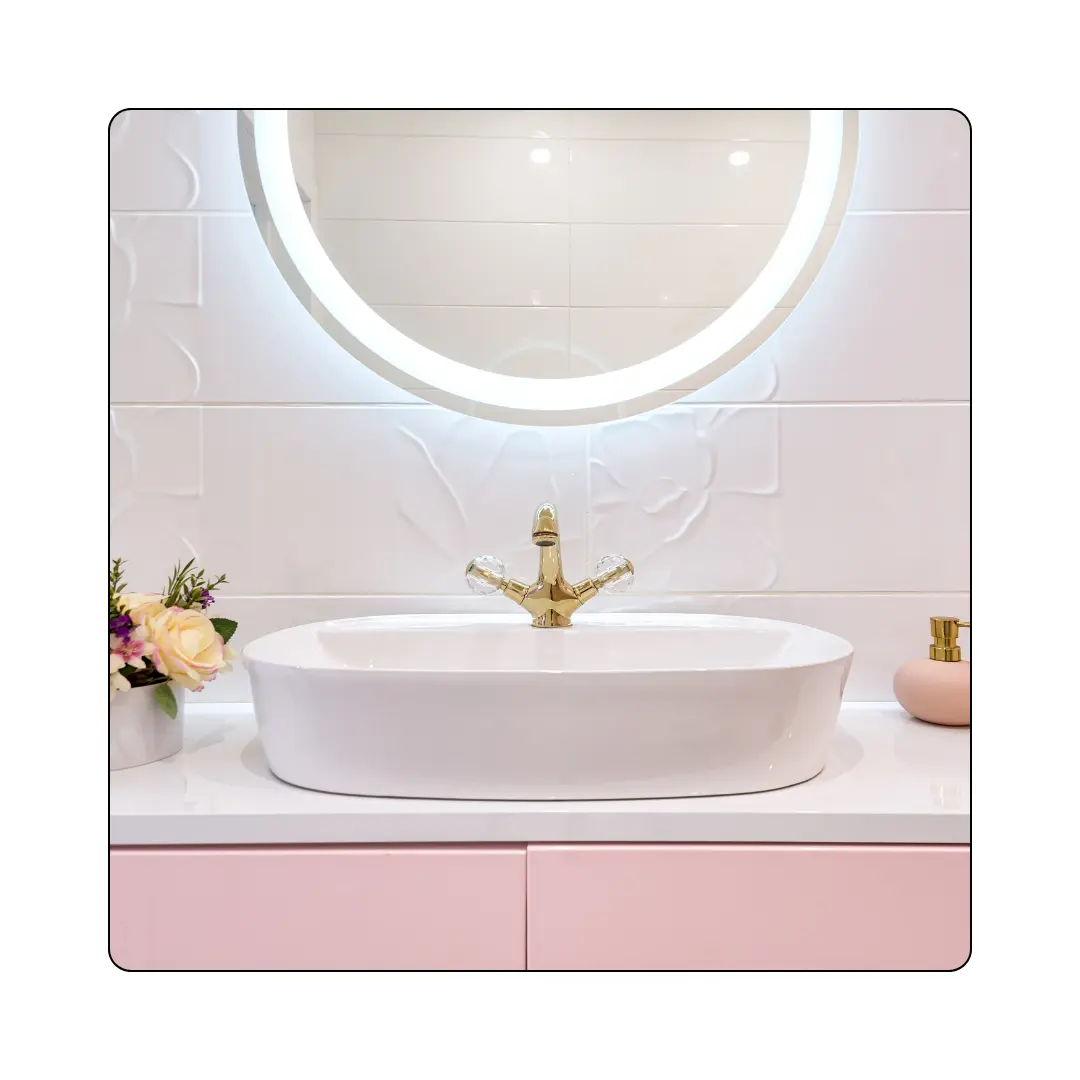
Concrete is a highly durable material that offers a modern, industrial look for vanities. It is perfect for custom designs.
- Custom Shapes: Moldable into unique designs.
- Durability: Withstands wear and tear effectively.
- Modern Aesthetic: Complements industrial or minimalist themes.
- Maintenance: Requires sealing to prevent stains.
- Drawback: Heavy and needs professional installation.
Conclusion
Choosing the right material for bathroom vanity construction is essential for creating a functional and stylish bathroom. From the timeless durability of solid wood to the sleek modernity of stainless steel and glass, each material offers unique benefits. Assess your budget, style preferences, and bathroom environment to select the best material for your vanity, ensuring long-lasting satisfaction and aesthetic appeal.
Have questions about your next renovation project? We’ve got answers. Let’s do this together.
Follow us on Instagram and YouTube.
FAQs