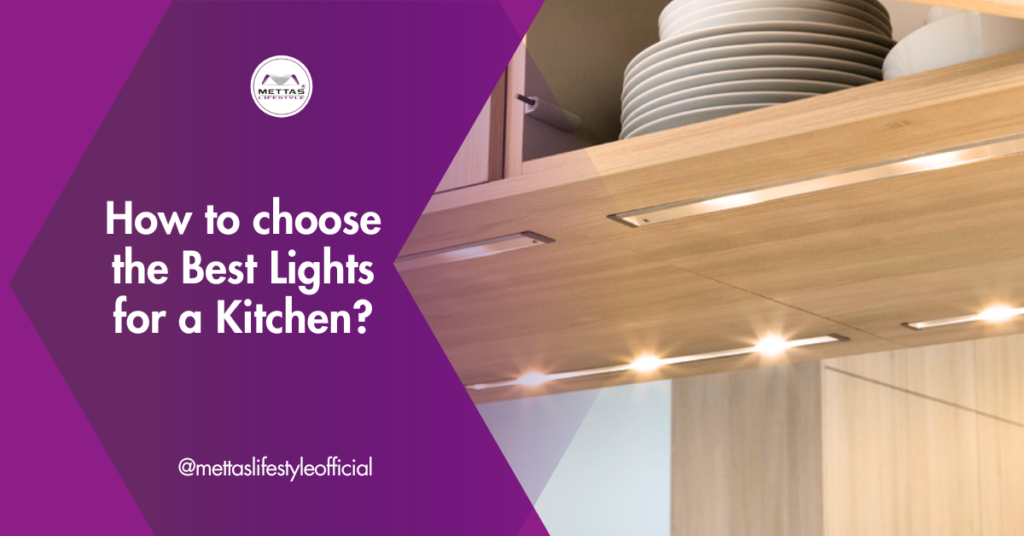
Introduction: The Best Lights for a Kitchen
A well-lit kitchen is not only essential for practical tasks but also contributes significantly to the overall ambiance of the space. Choosing the right lighting for your kitchen can enhance functionality and aesthetics. In this comprehensive guide, we’ll explore key points to consider when selecting the best lights for your kitchen with Mettas Lifestyle.
1. Understand Your Kitchen’s Layout and Design

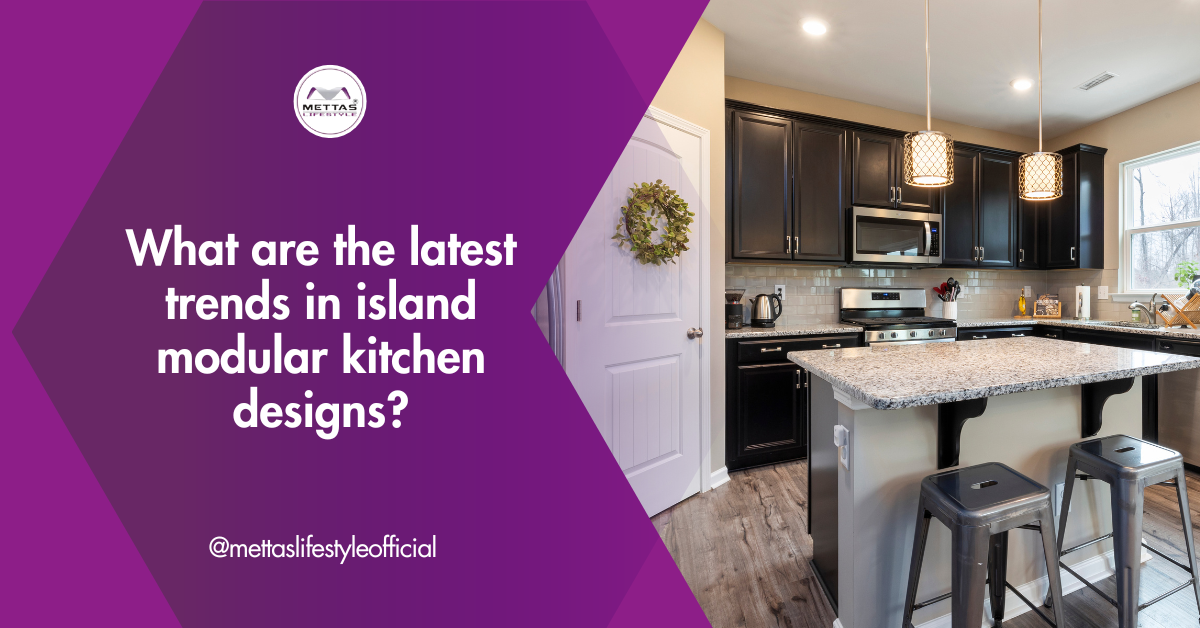
- Task Lighting: Identify areas where focused lighting is crucial, such as the countertops and cooking areas. Under-cabinet lighting or pendant lights over the kitchen island are excellent choices for task lighting.
- Ambient Lighting: Consider the overall lighting scheme for the entire kitchen. Ambient lighting, like recessed fixtures or flush mounts, provides general illumination and sets the mood.
- Accent Lighting: If you have specific features like artwork or architectural elements, accent lighting can highlight these. Track lighting or adjustable recessed lights work well for accentuating focal points.
Additional Tip: Dimmers for Flexibility
Install dimmer switches for various lighting zones. This allows you to adjust the intensity of the light according to the time of day, tasks being performed, or the desired atmosphere.
2. Choose the Right Light Bulbs

- Color Temperature: Selecting the right color temperature is essential. Warm white (around 2700–3000K) is cozy and inviting, while cool white (3500–5000K) is more energizing. Match the color temperature to the desired atmosphere.
- LED vs. Incandescent: LED bulbs are energy-efficient and long-lasting, making them a popular choice. However, if you prefer a warm, incandescent glow, newer incandescent alternatives are available.
- CRI (Color Rendering Index): A high CRI ensures that colors appear true and vibrant. Aim for a CRI of 90 or above for accurate color representation in the kitchen.
Additional Tip: Smart Bulbs for Versatility
Consider smart bulbs that allow you to control color temperature and brightness through a mobile app. This adds an extra layer of convenience and customization to your kitchen lighting.
3. Consider the Kitchen’s Size and Ceiling Height
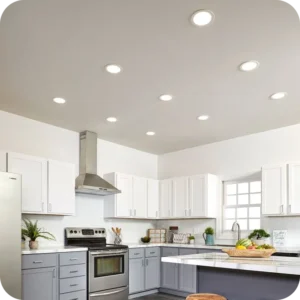
- Ceiling Height: For kitchens with high ceilings, pendant lights or chandeliers can add a decorative touch. Ensure they hang at an appropriate height, neither too low to obstruct views nor too high to lose their impact.
- Room Size: The size of your kitchen influences the number and placement of fixtures. Larger kitchens may require a combination of different lights to ensure even illumination.
- Layered Lighting: Implement a layered lighting approach with a combination of ambient, task, and accent lights. This creates depth and prevents shadows, especially in larger kitchens.
Additional Tip: Pendant Lights with Adjustable Heights
Opt for pendant lights with adjustable heights. This feature allows you to customize the lighting effect and adapt to changes in your kitchen’s layout or design.
4. Account for Natural Light and Colors

- Natural Light: If your kitchen receives ample natural light, complement it with artificial lighting that seamlessly integrates. Consider light fixtures with dimming options to adjust throughout the day.
- Kitchen Colors: The color of your kitchen cabinets, walls, and countertops can affect how light interacts with the space. Lighter colors reflect light, while darker colors absorb it. Adjust your lighting accordingly to balance the overall brightness.
Additional Tip: Motorized Shades for Light Control
Install motorized shades or blinds to control natural light. This allows you to regulate brightness, minimize glare, and protect your kitchen from excessive heat during sunny days.
5. Ensure Adequate Illumination for Specific Areas
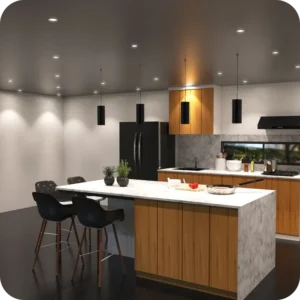
- Over the Sink: Install task lighting over the sink to ensure proper visibility for dishwashing and food preparation. Pendant lights or a well-placed wall sconce can serve this purpose.
- Dining Area: If your kitchen includes a dining space, a stylish chandelier or pendant light can define the area and provide ample illumination for meals and gatherings.
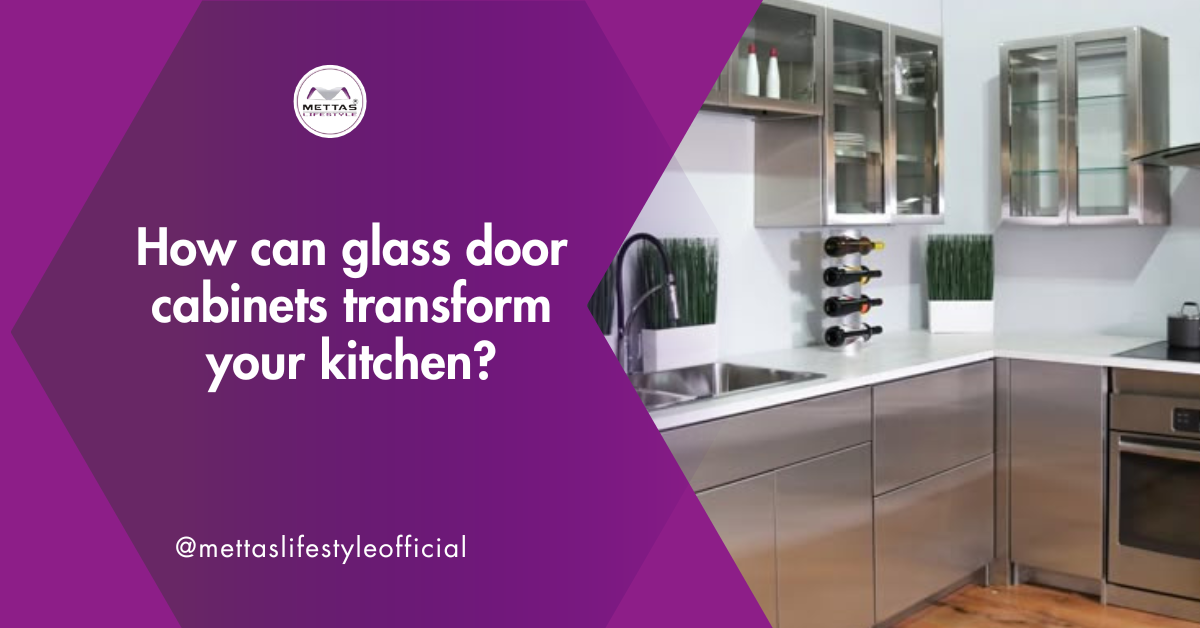
- Inside Cabinets: Consider LED strip lights inside cabinets, especially those with glass doors. This not only adds a decorative element but also makes finding items easier.
Additional Tip: Motion-activated lights for Cabinets
For added convenience, install motion-activated lights inside cabinets. These lights turn on automatically when you open the cabinet doors, providing illumination without the need for switches.
Conclusion
Choosing the best lights for your kitchen involves thoughtful consideration of layout, design, bulb types, room size, and the specific needs of different areas. By implementing a well-balanced lighting scheme, you can enhance both functionality and aesthetics in your kitchen.
Have questions about your next renovation project? We’ve got answers. Let’s do this together.
Follow House Beautiful on Instagram.